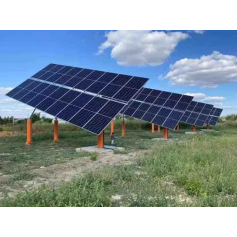
Almost every second person now knows the benefits of a solar power plant from the manufacturer. In the context of depleting fossil fuels and the rapid increase in the harm caused by chemical emissions, it is practically the only solution that ensures sustainable development.
What is a solar power plant?
The system is also commonly referred to as an SPP. It is a set of equipment and cables that capture and convert the energy of sunlight into electricity. The basic set of a power plant from the manufacturer includes an inverter, solar panels, a controller, cords connecting the components, and batteries (to store energy for periods of low solar activity).
The equipment of the power plant is connected to the general grid of a specific region of the country. However, it can also operate in autonomous mode. The second option allows a business or home to be fully powered by energy from an alternative source.
Solar power plants: principle of operation and main components
The core of the power plant kit is efficient photovoltaic cells. These cells form the panels that are responsible for converting sunlight into electricity. As a result, direct current is generated in the system. In this form, household appliances cannot use it, which is why the kit includes an inverter.
The device converts the current from photovoltaic cells into alternating current — the type suitable for household use. Solar stations also include a controller, designed to regulate the charging of batteries connected to the system. The power plant’s batteries store excess energy, which is then used to power electronics at night or during cloudy weather.
What types of solar power plants exist?
The advantages of using them are obvious. However, when it comes to purchasing a power plant, questions arise. The first is which type of system to choose. To make the right choice, it is necessary to understand the types. There are three in total.
Grid-tied solar power plant
This type of SPP is the most common format. A grid-tied power plant is connected to the city or settlement’s power grid. Excess electricity from such a station can be sold under the “green” tariff conditions.
The installation cost of such a kit is relatively low compared to other types since batteries are not required here. However, note one important detail about grid-tied solar power plants. During power outages, they do not provide backup power supply.
Off-grid SPPs
Power plants of this type are suitable for people living in areas with frequent power outages or in remote locations. They function even when electricity from the main grid is not supplied.
For this purpose, an off-grid SPP is equipped with batteries. The batteries store electricity and supply it to household devices when needed. The excess energy from such panels is not sold to the general grid.
Hybrid solar power plants
If you need a combination of the benefits of both off-grid and grid-tied systems, as well as maximum energy independence, this format is the best solution. Hybrid solar power plants are equipped with batteries and connected to the grid. This provides the ability to sell excess energy and ensures uninterrupted power supply. Such systems can be ordered both for homes and businesses. They can also be connected to generators.
Solar power plants: advantages for home and business
The first and main benefit is reduced electricity generation costs. Thanks to the system, dependence on tariff fluctuations is minimized, and there is an opportunity to generate income from selling excess electricity. In addition, buying a solar station helps reduce the carbon footprint and improves environmental sustainability. Not to mention durability and low operating costs.
Solar power plants: eco-friendliness and savings for your business
For businesses, installing a solar power plant is a step toward sustainable development and increased energy capacity. Lower operating costs, independence from tariffs, improved company image, and compliance with environmental standards make power plants a profitable long-term investment.
Solar power plants for private homes: affordability and benefits
For homeowners, panels provide the opportunity to reduce utility costs, ensure high-capacity autonomous electricity supply, and increase property value. Modern electricity generation technologies from renewable sources make the installation of power plants affordable and effective.
What determines the cost of a solar power plant?
There are many types of solar systems on the market, each with its own price. The cost depends on the panel capacity, equipment quality (including inverters), installation complexity, and additional components.
For example, the need to install batteries and electricity monitoring devices. But consider one important aspect: the price of a solar power plant in Ukraine from the manufacturer may seem high as an initial investment, but in the long run, the savings on daily electricity consumption will be significant.
How to choose a solar power plant?
Before ordering panels, consider several aspects:
- location and climate conditions;
- electricity consumption;
- budget and installation goals;
- possibility of connection to the grid and “green” tariff.
The best solution is to consult with a specialist from the manufacturer. An expert knows the specifications of panels and inverters and creates the correct wiring scheme, helping to select panels for specific needs.
How to buy a solar power plant and what to pay attention to?
A solar kit is purchased not for months but for at least 20–30 years, so the choice must be made wisely. First and foremost, equipment quality is important. Solar power supply systems must be reliable and manufactured in compliance with requirements.
Additionally, certifications, manufacturer’s warranty, installer’s experience and reputation, and customer reviews are important. The company Ukrainian Solar meets these criteria. We guarantee long-term and efficient operation of panels and inverters. We can offer power plants for homes and businesses that are eligible for the “green” electricity tariff.
Lifespan and maintenance
Modern panels have a lifespan of up to 25–30 years. As for maintenance, it is simple. Inverters and batteries need to be periodically checked and replaced. In addition, regular inspection and dust cleaning of panels, as well as system monitoring, ensure their efficiency and durability.
Stages of installation and connection
The process begins with analyzing electricity needs and selecting optimal panels. Energy consumption parameters, power (e.g., 10 kW), number of appliances, load, etc., are considered. After this, the manufacturer’s experts design the panels, taking into account tilt angle, number of modules, power, and mounting methods.
The next step is selecting equipment for power supply. Once the equipment is chosen, technicians perform quick installation on the roof or on the ground. The final stage is commissioning work — testing and launching the system. To receive electricity and benefit from the tariff, the owner must also complete a set of documents.
Why choose Ukrainian Solar?
Clients decide to buy solar power plants for several reasons. The main one is a comprehensive approach. The company helps at every stage, from selection to turnkey installation.
We also offer customized solutions with panels for any need: private homes, businesses, farms, agricultural enterprises, and more. For production, we use high-quality materials and equipment.
To buy ready-made options or custom systems for electricity savings, leave a request on the online store website or contact our managers by phone. We will select the best option at an affordable price for your needs!


-716x500.png)
-716x500.png)
-716x500.png)


-716x500.png)
-716x500.png)
-716x500.png)

-716x500.png)


-716x500.png)
-716x500.png)